 By
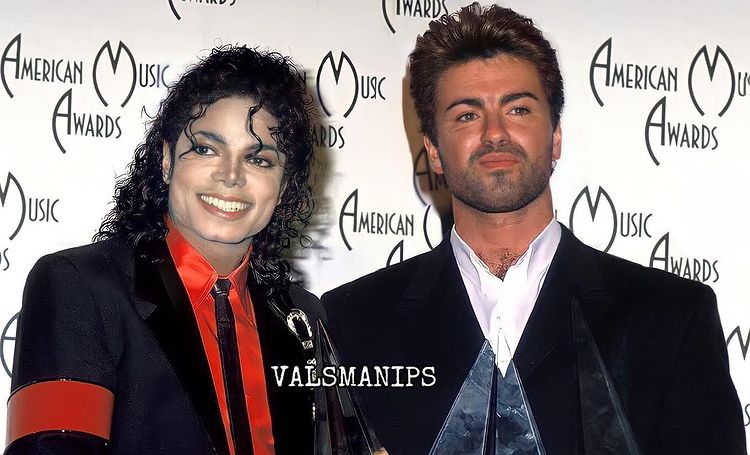
By George Michael: Emerging from Wham!, George Michael became one of the few artists who could rival MJ in terms of vocal talent and songwriting. His album Faith remains a benchmark for white soul and pop perfection. Michael Jackson: MJ’s reach was more global and his “mythology” larger than George Michael’s. However, George Michael was
Camila Cabello vs. Normani
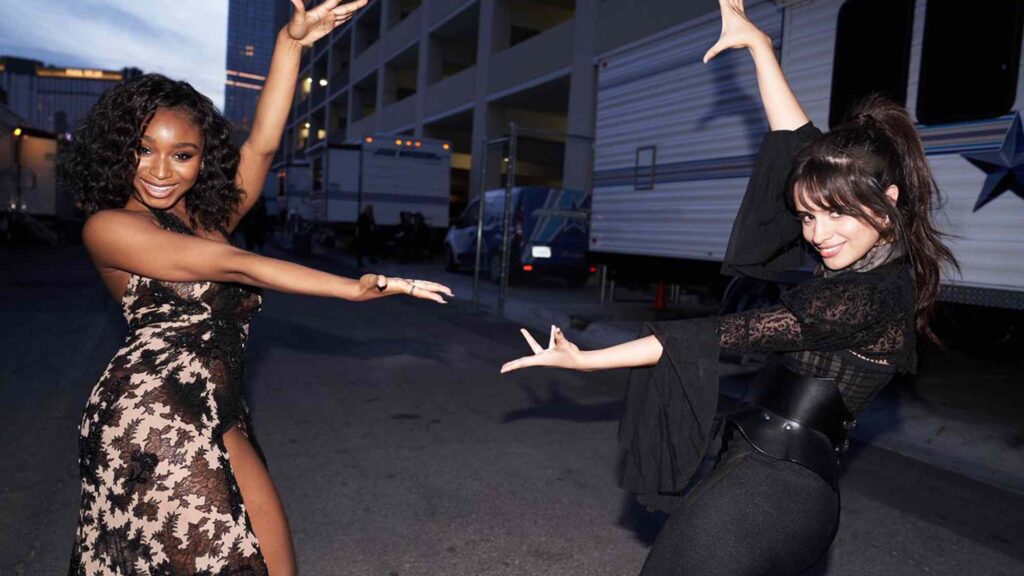
Camila Cabello: The first to leave Fifth Harmony, she established a quirky, Latin-infused pop sound with hits like “Havana.” She is a prolific songwriter with a distinct, “nasal-pop” vocal style. Normani: The “performance” powerhouse. While her solo output has been slower, her dancing and “superstar aura” have led many to
Michael Jackson vs. Janet Jackson
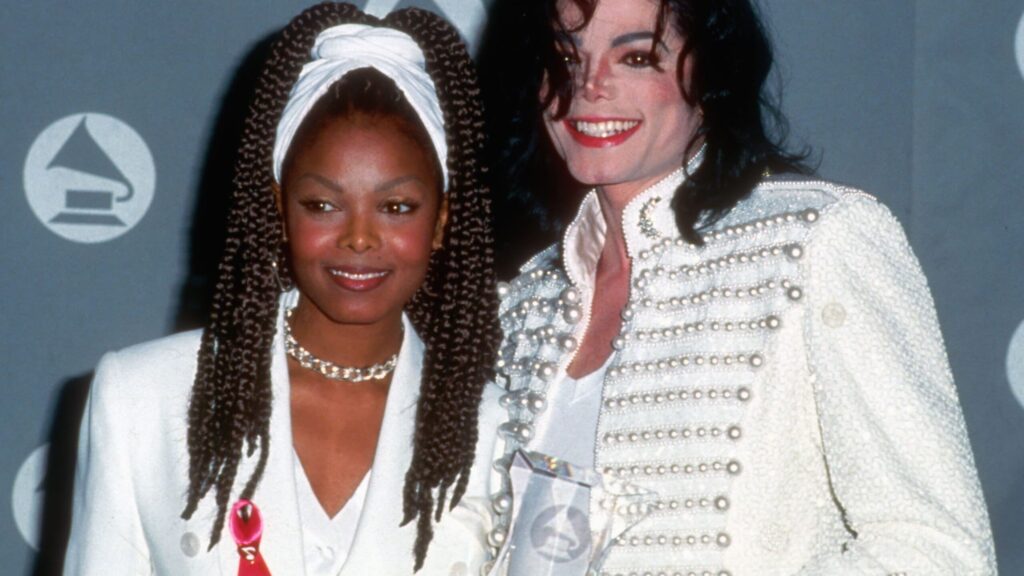
Michael Jackson: His career was built on being a child prodigy who transitioned into a global solo phenomenon. His impact is measured by his dance innovation (the moonwalk) and the cinematic music video. Janet Jackson: Janet carved out her own path by moving away from the family’s “bubblegum” roots and collaborating with

Justin Timberlake vs. Backstreet Boys
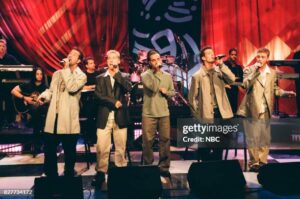
Justin Timberlake: His solo career saw him sell over 32 million albums and win multiple Grammys, effectively outgrowing the “boy band” label. His success was rooted in a shift toward an edgier, urban-inspired sound that distanced him from the pure pop roots of his former group. Backstreet Boys: Unlike Timberlake’s solo route,
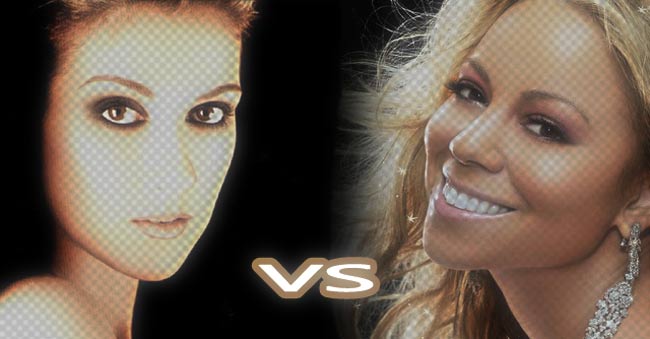
Celine Dion vs. Mariah Carey
Celine Dion: Stayed consistently in the “Adult Contemporary” lane, mastering the art of the movie soundtrack and the stadium ballad. Mariah Carey: Successfully bridged the gap between pure pop and hip-hop, working with rappers and producers to stay relevant in the urban market. Comparison: Celine is the ultimate “standard” pop singer. Mariah is

Will Smith V Eminem
Will Smith: Represented “clean,” radio-friendly rap during the 90s. His music was festive and narrative-driven, often avoiding profanity to maintain a family-friendly image. Eminem: The antithesis of Smith’s style, known for dark humor, aggressive lyricism, and controversial themes. Their “rivalry” peaked when Eminem mocked Smith’s clean image in the lyrics of “The Real

Buju Banton vs. Terror Fabulous
Buju Banton: A true “Gargamel,” Buju evolved from a rough-edged dancehall “bad boy” into a spiritual roots-reggae prophet with the landmark album ‘Til Shiloh. His gravelly voice and lyrical depth made him a voice for the voiceless in Jamaica and beyond. Terror Fabulous: A powerhouse of the 90s, Terror Fabulous

Five vs. O-Town
Five (5ive): A British group with an edge, Five leaned heavily into rap-infused pop and a “bad boy” image. Their hits were high-energy and often featured more attitude than their clean-cut American contemporaries. O-Town: Born from the reality show Making the Band, O-Town was a quintessential product of early 2000s American television. They
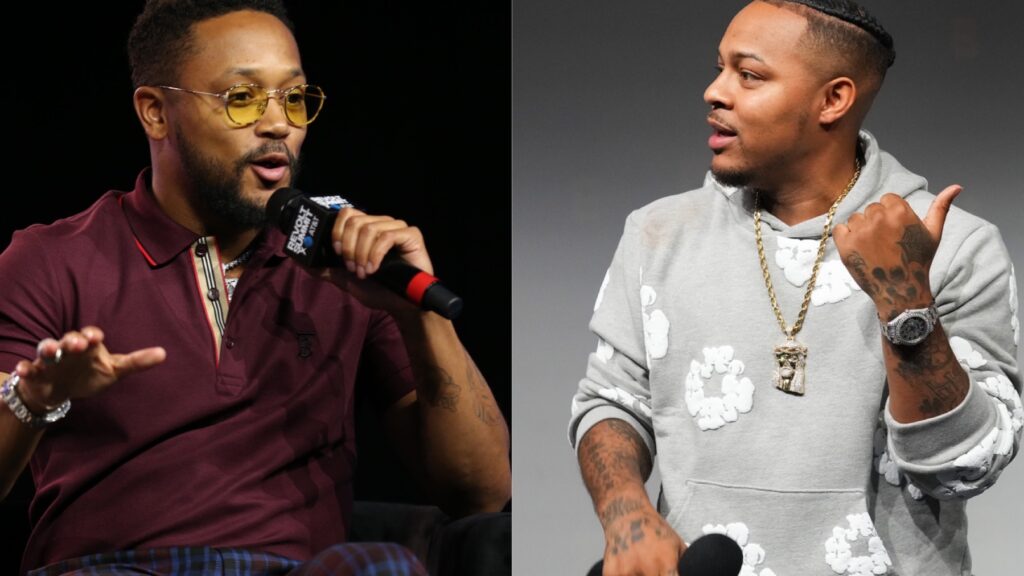
Bow Wow vs. Romeo
Bow Wow: A child star protégé of Jermaine Dupri, he had actual chart-topping hits and a legitimate “rap” flow that transitioned into a successful adult career. Romeo: The son of Master P, his career was built more on the “No Limit” brand and his “teen heartthrob” status than on lyrical

Madonna vs. Mariah Carey
Madonna: Focused on the “experience”—the videos, the tours, and the message. Her music was a vehicle for her larger-than-life persona. Mariah Carey: Focused on the “instrument”—the five-octave range, the whistle notes, and her prowess as a prolific songwriter and producer. Comparison: Madonna is the icon of pop culture longevity. Mariah is the icon