By
By 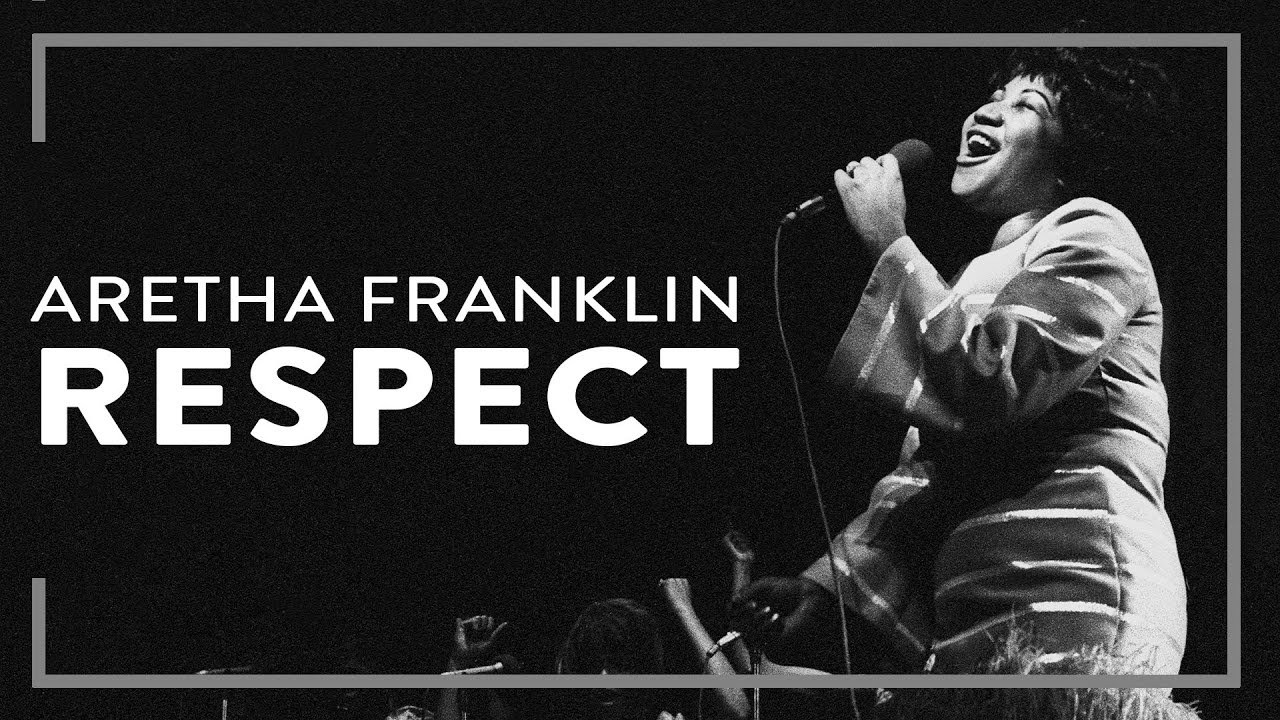
Aretha Franklin’s 1967 version of “Respect” is more than just a song; it is a “national need” and a “battle cry”. Originally written by Otis Redding as a man’s plea for respect at home, Franklin “snatched” the song and radically reimagined it into a demand for dignity. It became her signature hit and was ranked the greatest song of all time by Rolling Stone in 2021.
The genius of Franklin’s version lies in her extensive “overhaul” of the original. She added the iconic “R-E-S-P-E-C-T” spelling, the “Sock it to me” backup vocals, and a driving, soulful guitar hook. These changes shifted the narrative from a male-dominated relationship to a powerful statement of female empowerment and civil rights.
Franklin’s vocal performance is a “musical force” of “urgency and firepower”. She sings with a “deep soul” that resonates with “angst, determination, and tenacity”. It is this “confidence” and “re-authoring” that grants her status as the true owner of the song in the public consciousness.
The song’s impact was immediate and global. It topped the charts in 1967 and won Franklin two Grammys, becoming an anthem for the feminist and black freedom movements. Its message of universal human dignity allowed it to transcend its original context, remaining relevant for every generation that has since fought for recognition.
“Respect” has been inducted into the Grammy Hall of Fame and the National Recording Registry, cementing its place as a “Song of the Century”. It has appeared in dozens of films and continues to be the ultimate rally point for anyone demanding their worth be recognized. Aretha Franklin didn’t just sing the word; she taught the world what it meant.



 By
By