
 By
By “Boiler” is a dark, brooding track that builds into an explosive, screaming finale. The lyrics deal with betrayal and the feeling of being “fed up” with someone’s lies, using the metaphor of a boiling pot to describe the narrator’s rising temper. The song is notable for its cinematic music video

Barenaked Ladies >> One Week
The Barenaked Ladies’ 1998 hit “One Week” is a “high-speed,” “lyrically dense” alt-pop tour de force that became an unexpected #1 hit. Known for its “rapid-fire” delivery and “encyclopedic” pop-culture references, the song is a “chaotic and joyous” exploration of a relationship’s ups and downs. It is the band’s most

Bangles >> Walk Like an Egyptian
The Bangles’ 1986 smash hit “Walk Like an Egyptian” is a “quirky and infectious” pop-rock classic that became a global cultural phenomenon. Written by Liam Sternberg, the song is famous for its “playful lyrics,” “distinctive rhythm,” and “iconic music video.” it reached #1 in multiple countries, including the US, and
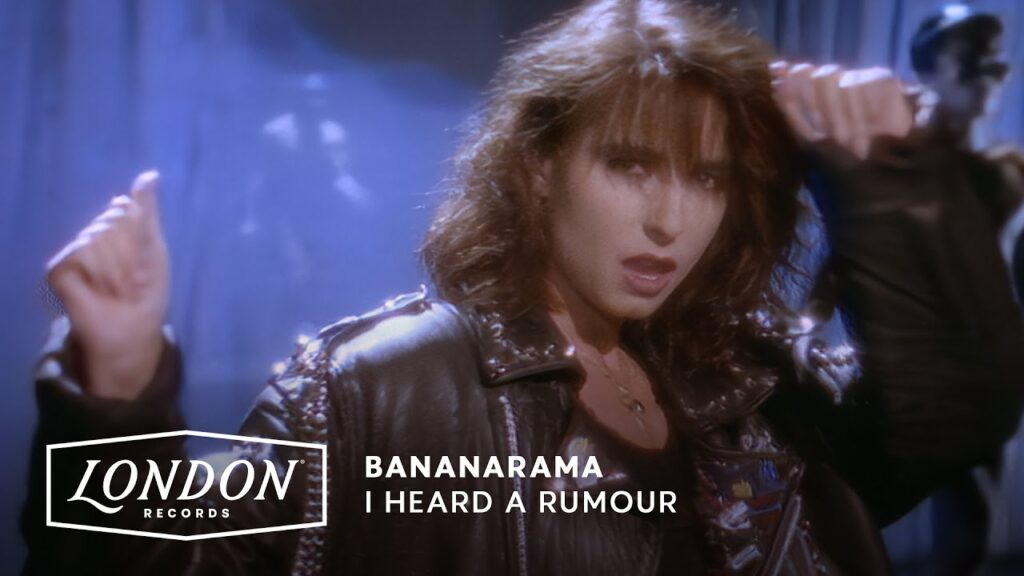
Bananarama >> I Heard A Rumour
Bananarama’s “I Heard A Rumour” is a high-energy “Hi-NRG” pop anthem that epitomizes the late-80s collaboration between the band and the production team Stock Aitken Waterman. Released in 1987, the song is a “pulsating and infectious” dance track that brought the band back to the top of the charts. It

Bananarama >> Cruel Summer
Bananarama’s 1983 hit “Cruel Summer” is a “darkly infectious” synth-pop classic that perfectly captures the feeling of “urban isolation” during a heatwave. Unlike the more upbeat pop of the era, the song has a “moody and atmospheric” quality that sets it apart. It remains one of the most recognizable tracks

Bad English >> When I See You Smile
Bad English’s 1989 power ballad “When I See You Smile” is a quintessential anthem of the late-80s rock era. Written by the legendary Diane Warren, the song became a massive hit, reaching #1 on the Billboard Hot 100. It is a “sweeping and romantic” track that perfectly captures the “grandeur”
Babyface >> You Were My Friend
Babyface’s “You Were My Friend” is a poignant and “heart-wrenching” ballad that explores the pain of a friendship turned sour by unrequited or lost love. Originally released on his 1989 album Lovers, the song is a prime example of his ability to tap into universal feelings of “longing and betrayal.” It

Babyface >> Love Is a Crime
Babyface’s “Love Is a Crime” is a soulful, mid-tempo track that appears on the soundtrack for the 2002 film Chicago. Unlike his more traditional slow jams, this song leans into a more “cinematic” and “theatrical” style, reflecting the jazzy, vaudevillian world of the movie it supports. It’s a departure from his
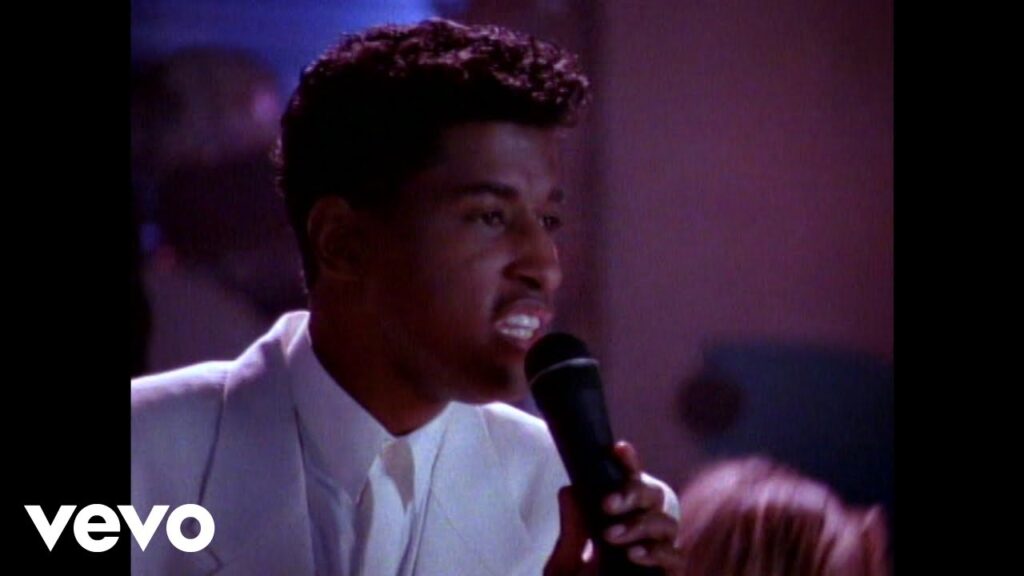
Babyface >> Whip Appeal
Babyface’s “Whip Appeal” is a cornerstone of late-80s “New Jack Swing” and smooth R&B that solidified Kenneth “Babyface” Edmonds as a premier solo artist. Released in 1990 as the third single from his album Lovers, the track is a masterclass in slow-jam production, blending synthesized grooves with live instrumentation to create

Aretha Franklin >> Respect
Aretha Franklin’s 1967 version of “Respect” is more than just a song; it is a “national need” and a “battle cry”. Originally written by Otis Redding as a man’s plea for respect at home, Franklin “snatched” the song and radically reimagined it into a demand for dignity. It became her